I remember the early days of Creative Commons. Such a subversive idea to make copyright so nuanced and so easily used. To me, the heart of it is all the folks who put their materials online for others to use.
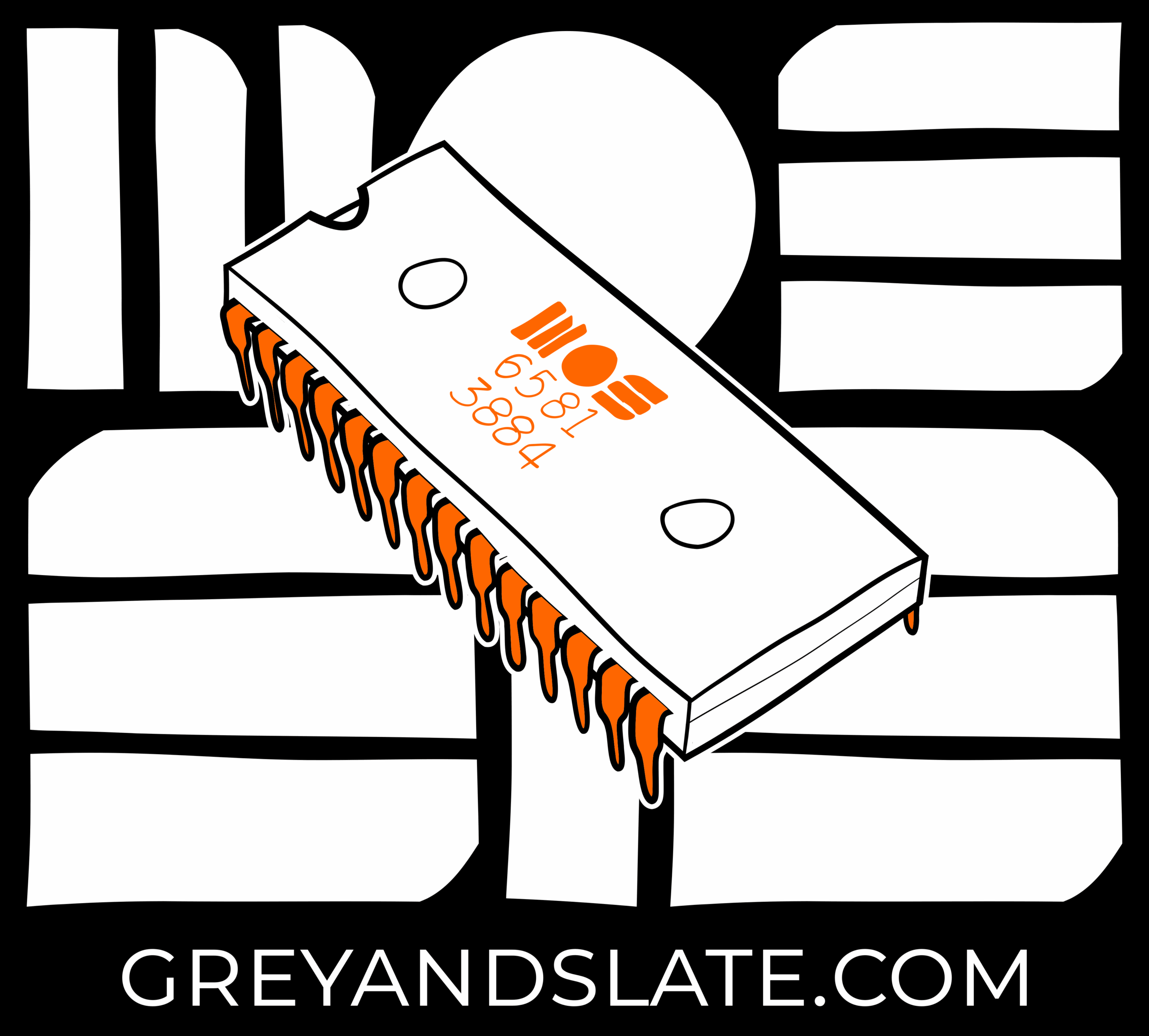
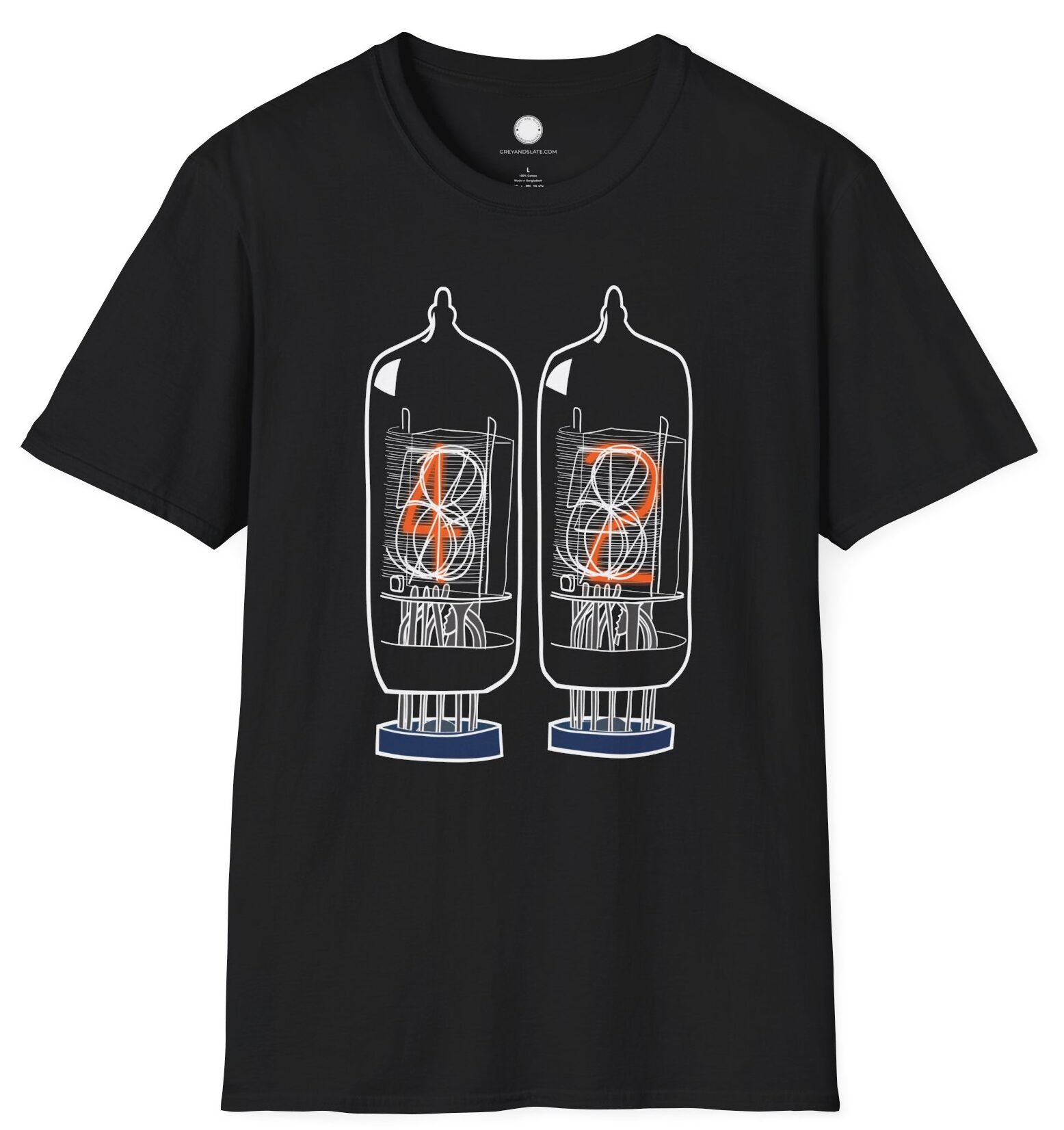
Fast forward 25 years later and I turned to CC-licensed works for many of my hand-drawn illustrations.
But first, what is CC and why do I think it is important?
A quick primer
Creative Commons (CC) was created to provide an alternative to, what some thought, restrictive copyright rules. The way I see it, CC’s nuanced licenses allowed for ‘some rights reserved’, allowing folks to distribute materials and allow some sort of control as to how the materials were used, repurposed, or even sold by others, while still protecting themselves and some of their rights.
There are a range of rights provided by the seven available CC licenses. Here are the ones most relevant to me, allowing adaptation and commercial usage:
- CC BY – “By” – Lets you reuse the material any way you wish, so long as you credit the creator
- CC BY-SA – “By, Share-alike” – A clever one, same as CC BY, but the added aspect that whatever is made from the original needs to itself be offered under the same license. Most of my source images use this license. More on that below.
- CC0 – The last one is “CC Zero,” or putting the material in the public domain. So, no attribution necessary, use and adapt as you wish. Why this one? To be explicit that the work is public domain.
The importance of open licensing
In the maker world, freely available openly licensed hardware and software are at the core of what we do, and enable the sharing, growth, and development of the community. Our libraries, dev boards, circuits – so many are not only free to use (tho that’s not a feature of their licenses) but free to modify and build upon.
And, yes, even in the software and hardware world, there are similar licenses to CC in terms of commercial use, modification, and, most importantly to me, attribution.
My early life was in science, where I wrote and published scientific papers. One core feature of such publications is citing prior work and then being cited in turn as others built upon your paper. Citations and attributions are part of who I am.
Credit where credit is due
Most of my CC-licensed images have been CC BY-SA – meaning, I need to give credit and make my images also CC BY-SA. That means, whomever uses my images, also needs to give me credit and make THEIR derived works available thru the same CC BY-SA license.
CC license attributions need to be communicated in a way that is clear to those who come across the work. The ideal attribution has the title of the material, the author, the source, and the license of the original. And, in my case, the description of the license of my own derived work.
For example, one of my first illustrations using CC-licensed images, and the attribution:

“Signetics NE555N” by Grey and Slate, Haberdashers, adapted from “Signetics NE555N, the original 555 type oscillator, in a dual-in-line plastic package, manufactured in 1978 (work week 28)” by Stefan506 under CC BY-SA 3.0. “Hand-draw Signetics NE555N” © 2025 by Grey and Slate, Haberdashers is licensed under CC BY-SA 4.0.
Putting the images on shirts has made it a tad difficult to provide proper attribution on the shirt. So I have put the attribution in the product listings. Tho, Etsy doesn’t allow non-Etsy links, so, on Etsy, the attribution is text only.
What’s more, the license attributions have been awkward when I share the images on Instagram or Bluesky – both in managing attributions and in the character space the license takes. Therefore, I decided to make an attribution page for ALL my attributions. This page has the links to the originals, and I have started to use the following verbiage where possible:
Artwork adapted from CC-licensed works. Full attributions: https://tinyurl.com/GSHattributions
Having a separate attributions page has allowed me to use my images in places where I might have a hard time making a proper attribution in the same place. This fits the requirements of CC where they ask for attribution “in any reasonable manner based on the medium, means, and context in which you share the licensed material.” The point is to allow someone to find the original source.
A place full of original sources: Wikimedia Commons
Wikimedia Commons has been, for me, a huge source of CC-licensed images to use. There are many good maker-related images online, but many times the license is not clear, so I either have to contact the publisher or just skip it. In Wikimedia Commons, all the images have their licenses. And many of them allow commercial use.
A big ‘thank you’
In summary, CC-licensed materials have been integral into the design I make. Being able to find amazing maker-centric images I can then adapt in my hand-drawn style, has opened up an exciting new area that folks have responded positively to (most of my sales and likes have come from hand-drawn designs).
Therefore, I want to thank everyone who makes their work available through CC licensing.
cross-posted on Grey and Slate